One city

many songs

one Shared Future
Evolving & Sustainable Practice

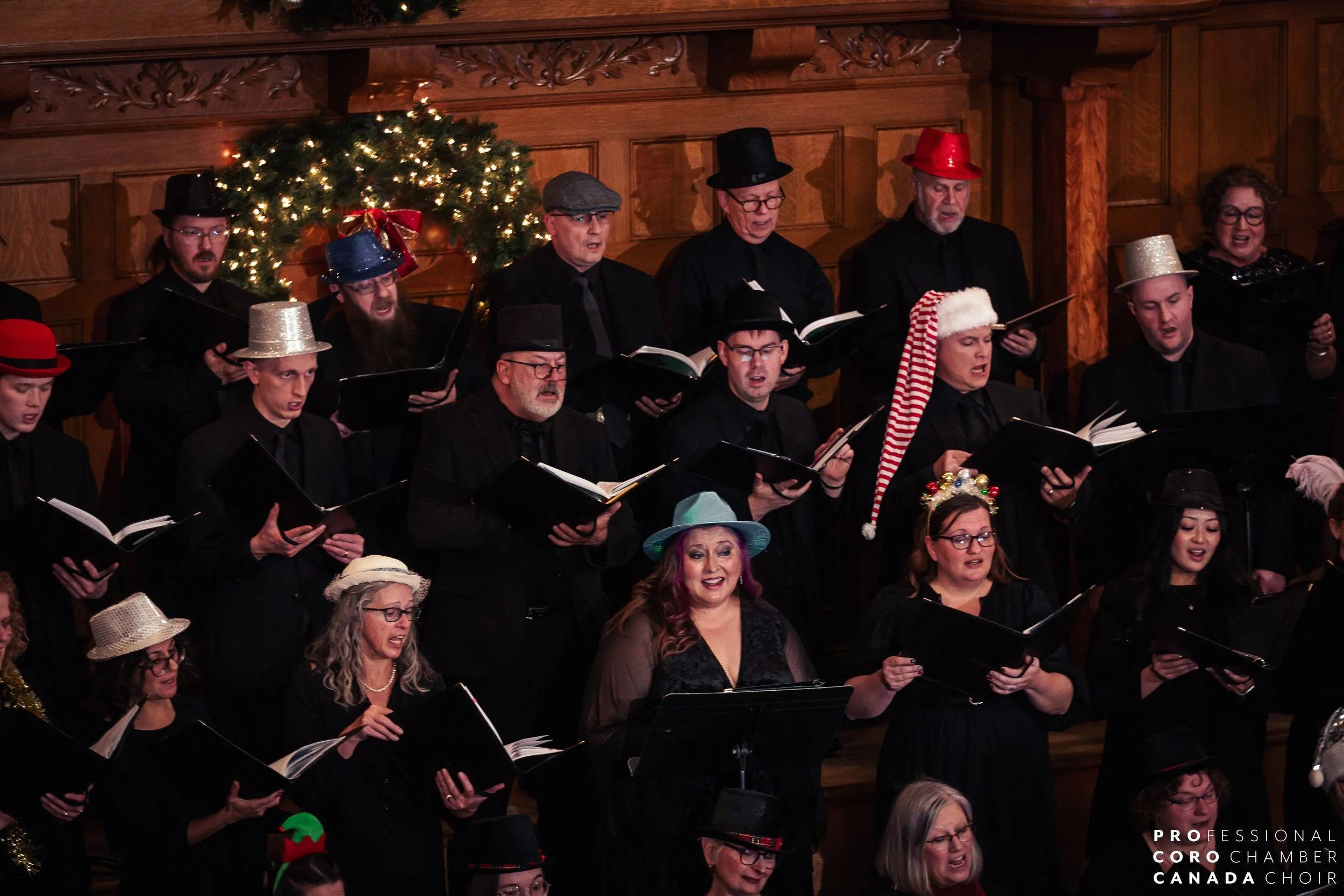
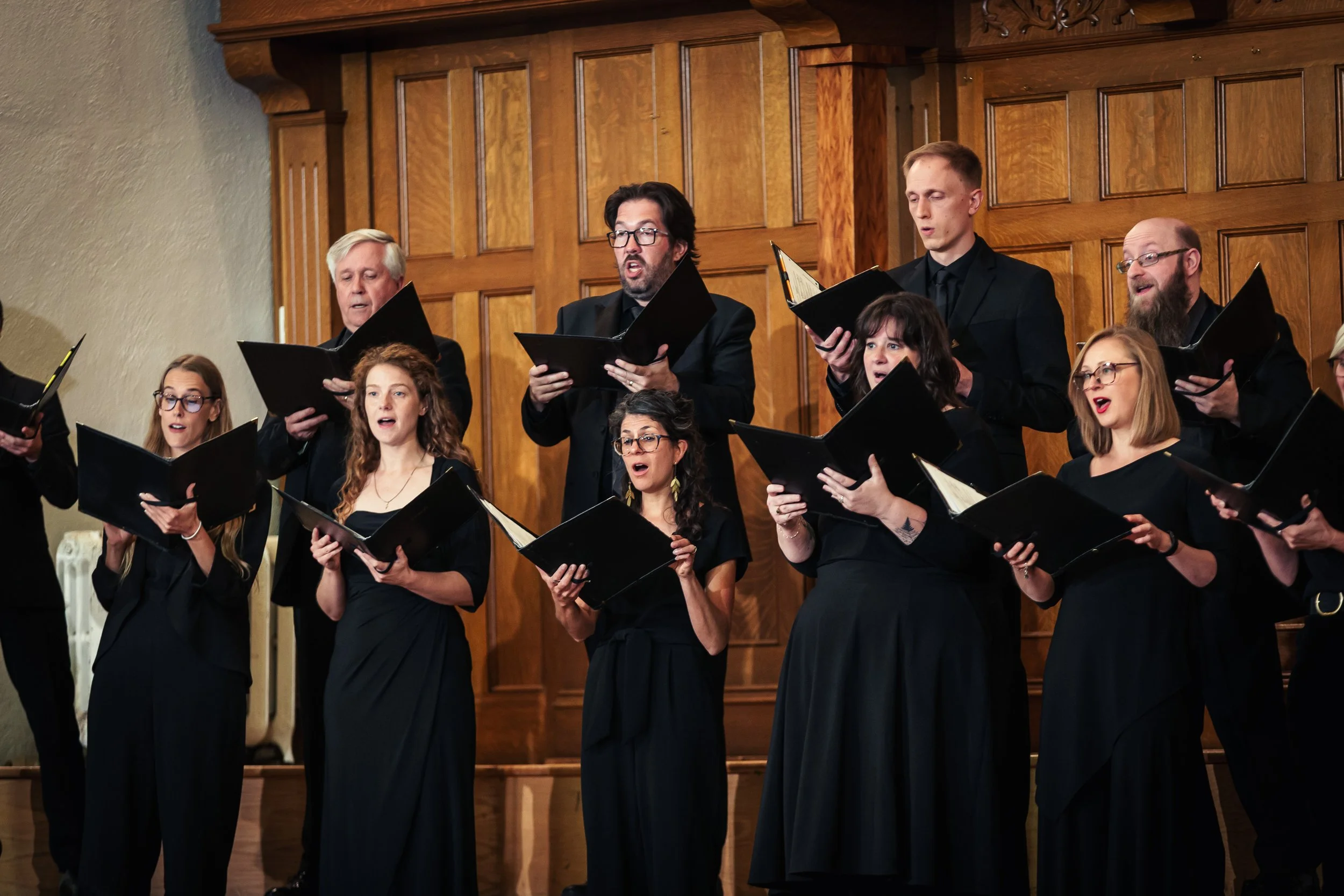
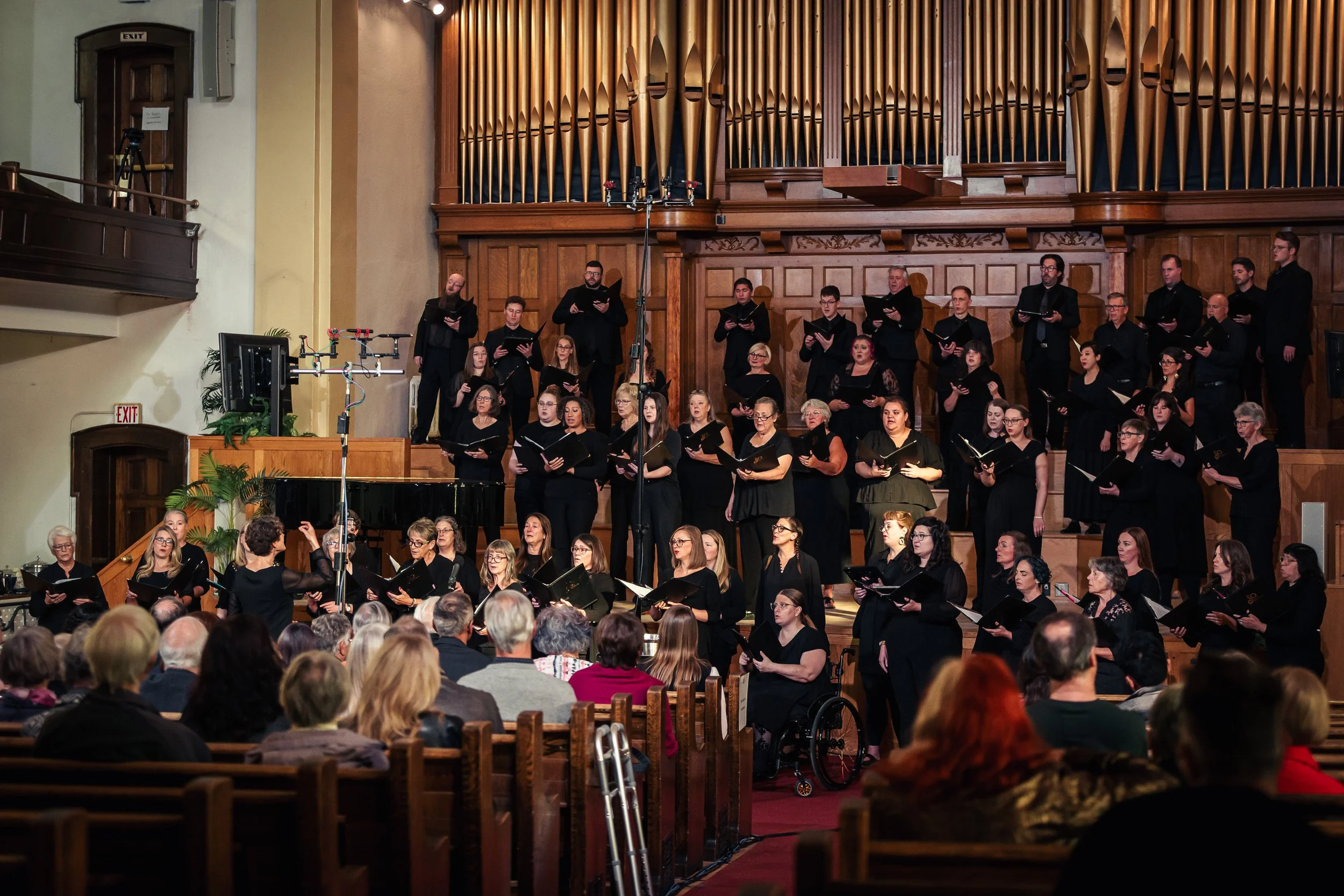
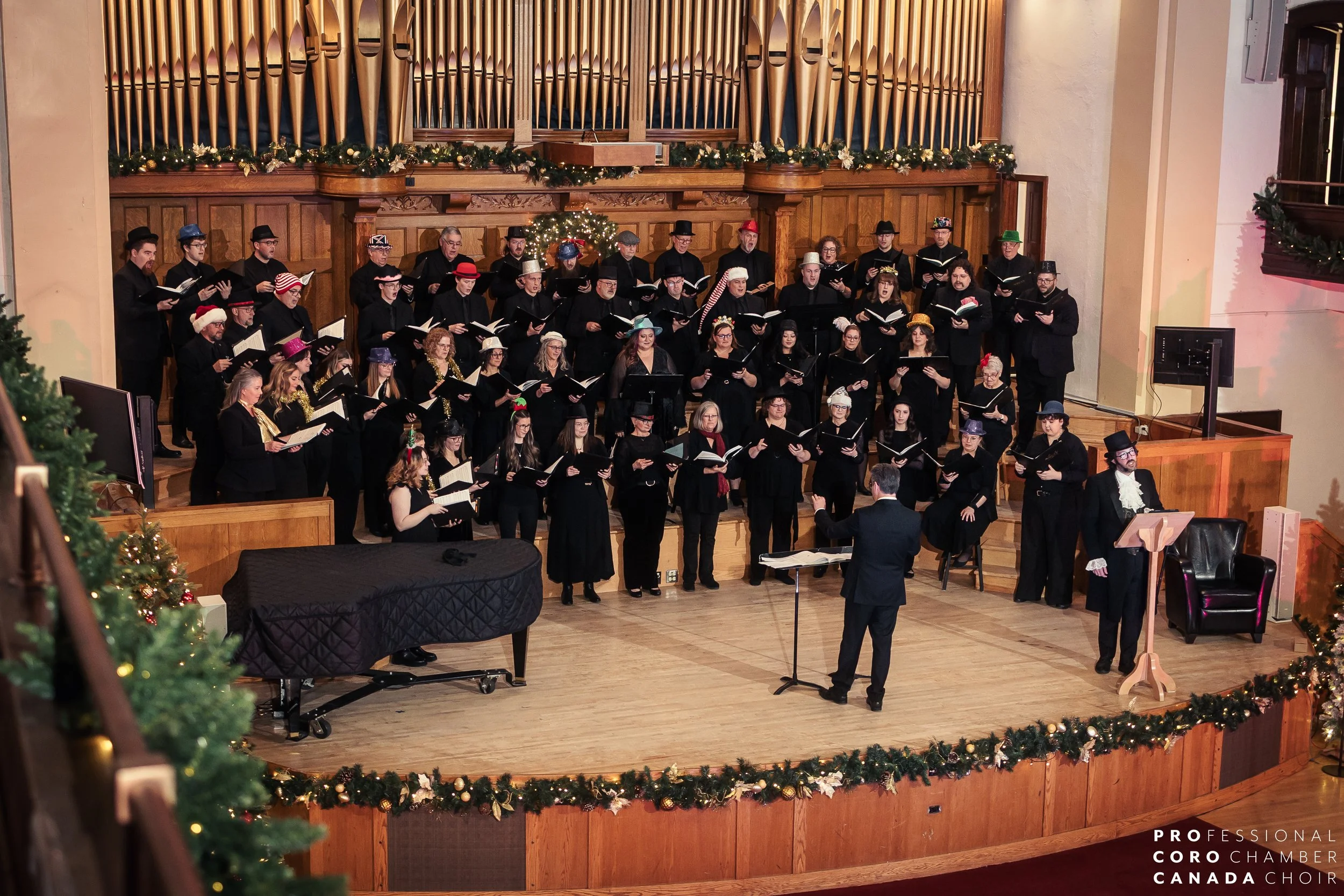
Our professional chamber choir inspires hearts, minds and spirits in all who experience the art of a world class orchestra of voices. We are moving towards a sustainable, equity-driven model that transforms choral singing into a true profession.

The 2026-2027 Vision

The vision for Pro Coro Canada is to establish a full-time professional chamber choir in Edmonton, employing 20 to 24 singers with guaranteed annual salaries and benefits. This team will perform an ambitious season and work in the community on a regular, weekly basis.

Sep 2026

Launch of the new operational model with the 45th season.

16 Voices

The core ensemble size for the initial launch of the new model.

Core Value: Professional Artists

We support, challenge, and provide professional opportunities for our singers to express themselves artistically as part of an ensemble. We value each of our twenty-four voices as professional, finely tuned, skilled, and powerful human instruments.

The Unsustainable Project-Based Model

Since its inception, PCC has followed a project-based model, which is no longer sustainable for artists or the organization.

The Burden of the Old Schedule

The choir currently rehearses during the 10 to 12 days preceding each performance, typically in the evenings and on weekends.

  • 15 to 18 hours of practice are crammed into Friday evening, full Saturday, Sunday afternoon, and final prep the following weekend.
  • This model requires a commitment of approximately 18 to 20 weekends between September and June, in addition to singers' regular weekday jobs.

The Systemic Challenges

Post-Pandemic Shift

Attitudes toward the weekend rehearsal model have shifted, and organizing cohesive concert lineups and maintaining engagement has grown increasingly difficult.

Artistic Compromise

Audience numbers tend to increase when presenting well-known, traditional repertoire, leading PCC to adjust programming away from its original vision as a leader in innovative choral performance.

The Cost Crisis

Operational costs are rising dramatically while ticket prices have been fixed, underscoring the need for operational changes.

~750

The number of regular adult tickets ($35) required to be sold for a basic 24-singer a cappella concert just to break even on production items.

200%+

Increase in the cost for PCC's primary venue, All Saints' Anglican Cathedral, since 2019 (from $3,300 for 11 events to $1,000 for a single event).

65%

Increase in rehearsal block rent (from $75 to $125).

Stagnant Tickets

Ticket prices have been fixed at $35 since 2019. Applying inflation, tickets would now be priced at $42 or more.

The New Model: Consistent, Professionalized Work

The new model represents a strategic reset to establish a sustainable framework by moving from project-based scheduling to a weekly cycle

Restructuring the Schedule

Old Model

  • Project Based: Intensive 10-12 day rehearsals.
  • Scheduling: Evenings and Weekends required.
  • Outcome: Limits participation from singers with daytime employment, parents, and caregivers.

New Model (26/27 Structure)

    [cite_start]
  • **Cycle:** Rehearse **weekly** (September to mid-June)[cite: 102].
  • [cite_start]
  • **Scheduling:** Rehearse **weekdays** and **daytime**[cite: 103, 104].
  • [cite_start]
  • **Outcome:** Better work-life balance, consistent work opportunities, and a more stable ensemble[cite: 113, 114].

New Opportunities Unlocked by Daytime Access

[cite_start]

Shifting the workflow unlocks new community engagement opportunities during weekdays[cite: 120]:

    [cite_start]
  • **Seniors:** Access to audience segments interested in daytime concerts, such as retirees and those preferring not to attend evening events[cite: 122].
  • [cite_start]
  • **Education:** Availability for school boards during their choral activities, post-secondary residencies, and outreach[cite: 121, 123].
  • [cite_start]
  • **Service:** Engagement with care homes, mental health, and youth organizations (e.g., CMHA, iHuman)[cite: 124].

Key Challenges to Manage

    [cite_start]
  • **Singer Availability:** Singers with full-time jobs elsewhere can no longer be regular members[cite: 134].
  • [cite_start]
  • **Audience Perception:** There may be concerns about how **16 singers** can replicate the sound of 24, with some seeing smaller as lesser[cite: 141, 158].
  • [cite_start]
  • **Programming:** The repertoire known for earning us the Innovation Award (e.g., 24-part music) will not be feasible initially, with a temporary shift toward more traditional music[cite: 143, 145, 158].

Navigating the Headwinds of Arts Funding

[cite_start]

The operational shift is critical to absorb significant and ongoing funding changes across all levels of government[cite: 66].

Federal Funding Reductions (CCA & PCH)

    [cite_start]
  • Incremental spending reductions for the **Canada Council for the Arts (CCA)** amount to **\$9.88 million in 2026-27 and ongoing**, representing 2.7% of their current government funding[cite: 36, 37, 38].
  • [cite_start]
  • The **Prime Minister’s 15% challenge** (mid-2025) mandates federal agencies like Canadian Heritage (PCH) and CCA must identify savings equivalent to **15% of their Main Estimates** by the 2028-29 fiscal year[cite: 40, 41].
  • [cite_start]
  • This shortfall cannot be mitigated through administrative efficiencies alone, meaning **grant funding and programmes will be reduced**[cite: 42].

Provincial & Municipal Challenges

    [cite_start]
  • **Alberta Foundation for the Arts (AFA):** Grant amounts are based on a 3-year average of Community-Derived Revenue (CDR), which favors quantity over quality and promotes 'art for the masses'[cite: 43, 44].
  • [cite_start]
  • **Edmonton Arts Council (EAC):** Funding has been **static for several years** due to budget stagnation, forcing the EAC to revise its granting strategy and temporarily pause new multi-year funding agreements[cite: 45, 47].

Strategy for Granting Agencies

[cite_start]

The new employer-employee structure, consistent community outreach, and streamlined weekly budget planning will strengthen PCC's position with granting agencies, demonstrating structural efficiency and maximizing investment impact[cite: 129, 126].

Roll-Out and Timeline

[cite_start]

We are committed to a transparent, phased rollout leading up to our 45th anniversary season in 2026[cite: 174].

Summer 2025

Planning & Consultation

[cite_start]

Planning phase, consultation with other professional choirs, and preparation of initial drafts[cite: 173].

October - December 2025

Internal Engagement & Surveys

Sharing initial plan with the Board and choir members (Oct 2025). Conducting audience surveys. [cite_start]Individual meetings with singers[cite: 173].

Winter 2026

Financial & Offer Period

Budget review and approval. Release of schedule and distribution of offers to singers. [cite_start]Communications to the audience regarding changes in choir size and weekday concert scheduling[cite: 173].

June 2026

Official Announcement

[cite_start]

Official announcement and release of the 2026-27 season[cite: 173].

September 2026

Launch & Review

Commencement of the 45th anniversary season and the new operational model. [cite_start]The model is committed for three full seasons with built-in review periods for audience feedback and singer evaluations[cite: 174].

We are Building the Future of Choral Art in Canada

By evolving our practice, we ensure ProCoro Canada continues its legacy of excellence and innovation.

Calls to Action

  • Champion a municipal policy that formally recognizes the arts as an essential component of public health and social development, and that positions the city nationally as a leader in arts & health integration.

    Allocate a dedicated portion of community health and wellness budgets to subsidize arts programming that targets mental health, social isolation (seniors/newcomers), and youth engagement, leveraging organizations like PCC as service delivery partners.

  • Commit to increasing the base funding for the Edmonton Arts Council in line with inflation and population growth to protect the demonstrated economic return, and to keep existing grants in place while also addressing new needs and priorities.

    There are over 850,000 cultural workers across Canada.

    Recognize that the arts sector is a job creator generating $68.4 million in value-added GDP; treating this funding as a strategic economic investment, not a discretionary expense.

  • Create a municipal grant stream explicitly and primarily dedicated to paid mentorships and emerging artist development.

    Directly support the costs associated with programs like PCC's Emerging Artist initiative, solidifying Edmonton's reputation as a training hub for Canada's future creative workforce.

Because We Sing

It is about all people who have the opportunity to create a stronger identity when they have the opportunity to introduce music into their lives.

Let’s create a musical Alberta.
Let’s create an Edmonton that
sings!

Misha Van Thienen

Read Misha' Story